
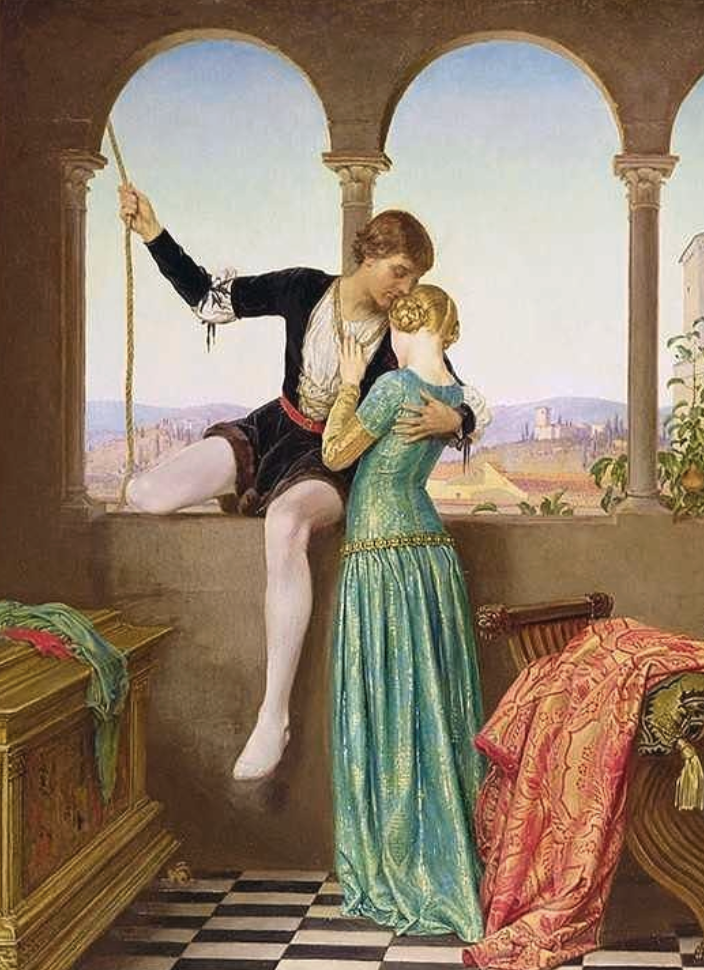
Romeo and Juliet Imagery
The play, Romeo and Juliet by Shakespeare, tells the story of Romeo and Juliet, two star-crossed lovers, whose premature romance ultimately ends in death. Romeo visits Juliet's balcony after they first meet at a ball and delivers his soliloquy during the well-known balcony scene. Shakespeare uses Romeo’s soliloquy to illustrate a declaration of love, using the celestial imagery to show the alluring and erratic beauty of Romeo and Juliet’s short-lived love, while alluding to the danger and destruction that will transpire upon Romeo and Juliet.
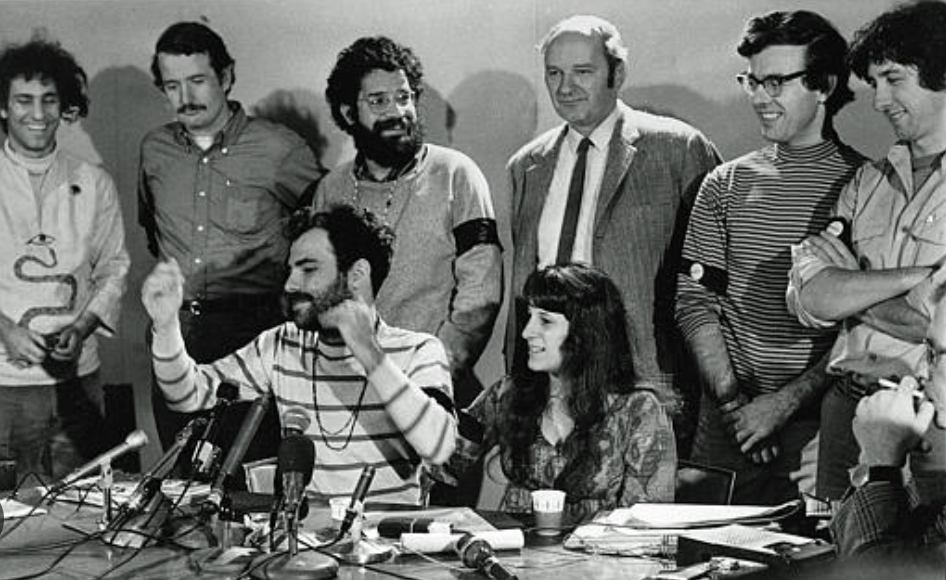
Chicago Seven
As America began to enter post WWII society, America entered another war against communism. One way Americans combatted this was through containment of communism, meaning they didn’t want communism to spread any more than it had. Wanting to spread democracy, Americans sent troops to overthrow the communist leader in Vietnam who threatened Vietnam democracy. As America became more engrossed in the Vietnam matter, more American troops were sent there to fight. However, as coming out of a world war, Americans didn’t want to be in a war that they weren't directly threatened by. As the anti-war sentiment increased, a specific political group of America, generally grouped as the New Left began anti-war riots across the nation. The New Left were a group concerned with social and civil rights reform and wanted the government to engage more internal reforms as well. As the anti-war riots increased so did government opposition against them. One protest in particular, held outside of the Democratic Convention of 1968 landed 8 New Left activists in court for conspiring against the government. Although the New Left’s perspectives gained a larger audience, the Chicago Seven trial failed to create significant legal reforms and caused a further division in society as more perspectives emerged during the 1960s to early 200s.
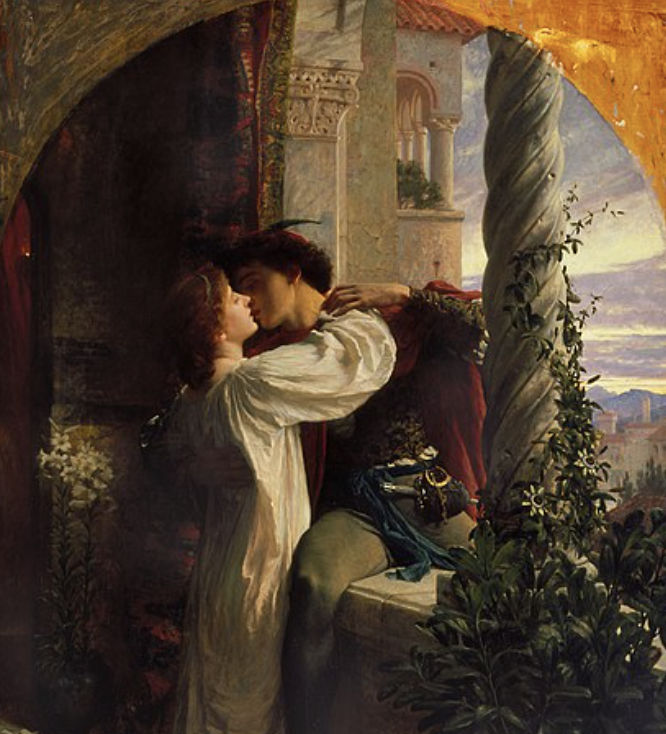
Two Graves
Is any act truly deserving of revenge? Throughout Shakespeare’s many works, revenge and its ramifications are a common theme. Whether through Edmund’s death in King Lear or Romeo’s banishment in his signature play Romeo and Juliet, vengeance is portrayed in a negative light. Two and a half centuries later, the works of Charles Dickens mirror Shakespeare’s messages. Throughout both Dickens’ Great Expectations and Shakespeare’s Romeo and Juliet, characters’ lust for revenge drives them to commit heinous acts with disastrous consequences. My understanding of vengeance in Great Expectations supports the message conveyed through Romeo and Juliet: seeking revenge provides no satisfaction and only serves to harm all those consumed by it.
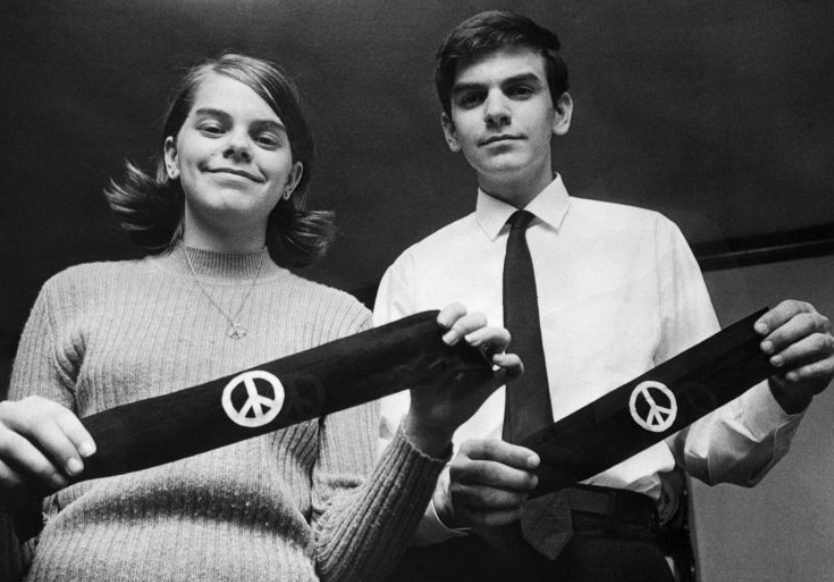
Tinker vs. Des Moines
The 1940s and 50s were marked by a large conflict: the Cold War. The US aimed to stop the spread of communism while the Soviet Union aimed to expand it. This larger conflict caused the US foreign policy to become more active, leading to the Korean War and Vietnam War, while socially it sparked fear and anxiety. Following years of conformity and fear of communism in the 1950s, the 1960s were a time of change and individuality. With the next generation of young adults, the 1960s fostered individuality and change. College and highschool students created groups such as Students for a Democratic Society that played major roles in organizing and protesting topics such as the Civil rights movements and the Anti-Vietnam War movement. The latter was a controversial topic in America throughout the 50s and 60s with many being against US involvement in the war. As a way to protest this, some students wore black armbands, but were suspended due to a newly enacted school rule. Taking this matter to court, this case ended in the Supreme Court of the United States and became known as Tinker v. Des Moines. Although students’ rights still had limitations, Tinker vs. Des Moines was a turning point for individual rights in the 1960s through the 1990s because it increased student’s first amendment right’s protection and set a precedent for future cases involving student rights.
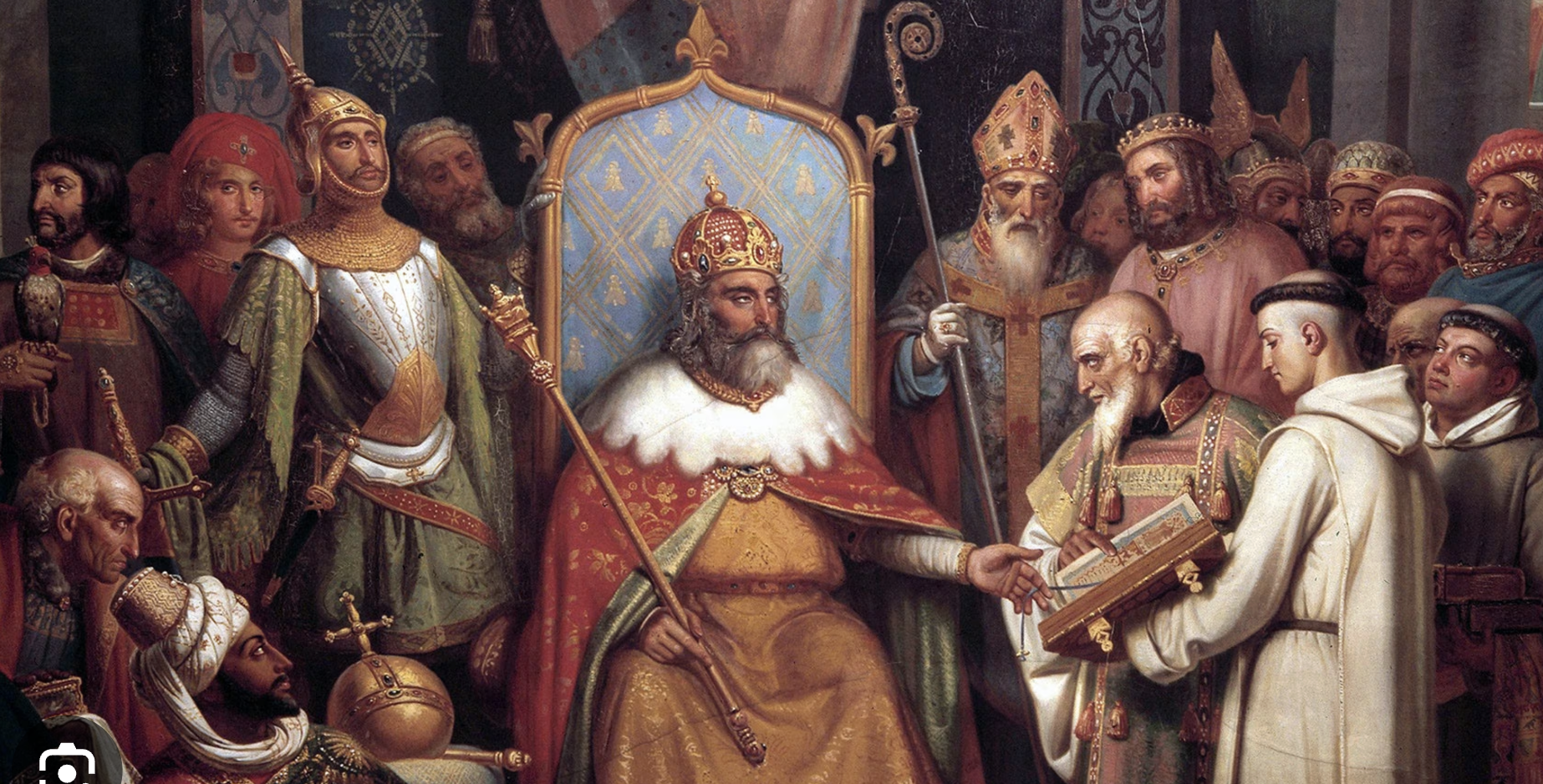
How did Charlemagne use his political power to affect the Carolingian Empire’s artwork?
Everyone probably knows about the Italian Renaissance. The one with the Mona Lisa, Leonardo Da Vinci, and the shift away from the Christian Church. However, very few even think to acknowledge the Renaissance of the Carolingian Empire, where knowledge and Christianity were able to flourish all because of Charlemagne, a guy who struggled to write. Charlemagne was born to Bertrada of Laon and Pepin the Short, King of the Franks. After Pepin’s death, the Frankish Kingdom was split between Charlemagne and his brother Charlemagne. Charlemagne then took control of the kingdom and became the ruler of the Franks after Charlemagne died. During his time as the ruler of the Franks and the Holy Roman Emperor, Charlemagne was able to expand his empire, reintroduce culture, and spread Christianity. This resulted in a thriving political region that allowed art to flourish. In this paper power structure is defined as the way Charlemagne organized his empire. Charlemagne used his political powers to achieve his goal to unite the Carolingian Empire under Christianity, which allowed the society to create unique artwork.
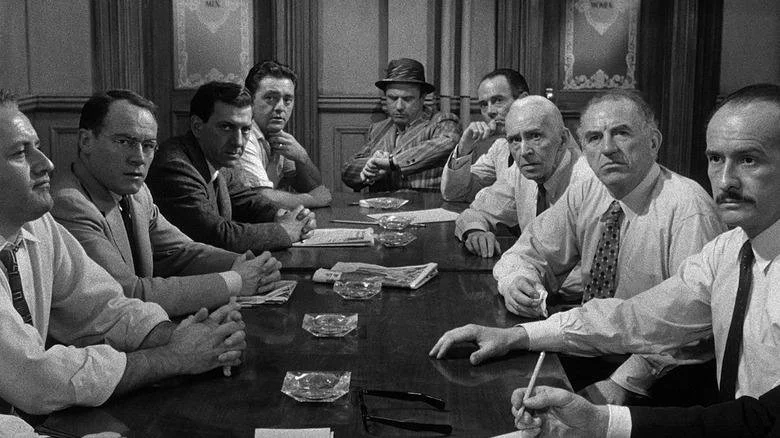
Legal Realism: 12 Angry Men
In legal dramas, it is common to see how the legal system process is exaggerated or even over-simplified. On the other hand, there are dramas such as 12 Angry Men that show a correct representation of how the American judicial system operates. Reginald Rose, the author of 12 Angry Men wrote this play including detailed scenarios that represent the actual judicial system in America.

E se a Morte Fosse de Férias?
Read this book review written in Portuguese by one of our YouThink writers, whose first language isn’t even Portuguese. He explores the philosophical questions raised by the book with depth and insight!